


Key Takeaways
- Modern work boots offer a range of features tailored to enhance safety, comfort, and durability.
- Understanding the specific needs of your work environment is essential in choosing the right boot features.
- Regular maintenance and proper fit are crucial for maximizing the lifespan and effectiveness of work boots.
Table of Contents
- Toe Protection
- Slip-Resistant Soles
- Waterproofing
- Puncture-Resistant Midsoles
- Comfortable Insoles
- Breathable Lining
- Durable Materials
- Supportive Ankle Design
- Shock Absorption
- Electrical Hazard Protection
Whether you work on a construction site, in a warehouse, or outdoors in variable weather, finding the proper work boots is essential for both safety and comfort. Modern designs maximize both protection and functionality, so it’s worth researching before making a purchase. Workers in busy cities like Toronto know all too well the difference a quality pair of boots can make in daily comfort and workplace safety—explore your options for safety boots Toronto for a tailored experience.
Choosing work boots is more than just picking the correct size. With advances in boot technology, features such as toe protection, slip-resistant soles, and waterproofing have become standard expectations. Matching boot features to your workplace needs not only helps minimize injuries but also supports long-term foot health. Brands now offer specialized models to address the hazards and discomforts common in various industries.
Given the substantial impact that work boots have on job performance and well-being, investing time in finding the best pair pays off. Workers who prioritize boot features—rather than aesthetics or price alone—are rewarded with less fatigue, fewer injuries, and greater job efficiency.
Toe Protection
Toe protection stands as one of the foremost features demanded in high-quality work boots. Steel toes, time-tested for industrial use, offer unmatched strength against heavy impacts. However, today’s market also includes composite and alloy toe caps, which provide robust protection with less weight. Composite toes are ideal for those working around sensitive equipment or in environments that require metal-free footwear.
Slip-Resistant Soles
Slips and falls remain a top cause of on-the-job injuries. To guard against this, modern work boots feature slip-resistant rubber soles with deep tread patterns engineered for superior traction, even on oily or wet surfaces. For occupations involving frequent movement on slick floors or outdoor environments, prioritizing slip resistance reduces accident rates and boosts worker confidence.
Waterproofing
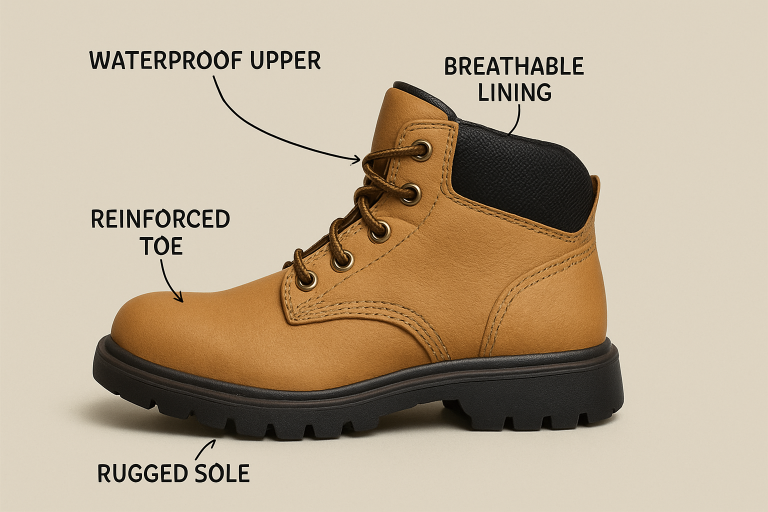
For professionals working in rain, snow, or mud, waterproof boots keep feet dry and healthy throughout the day. High-grade waterproof membranes—such as Gore-Tex—combine moisture blocking with breathability, preventing both water ingress and sweat buildup. Synthetic overlays and seam-sealed designs further enhance waterproofing while maintaining overall boot flexibility.
Puncture-Resistant Midsoles
Industrial and construction sites often pose hazards from hidden nails, metal scraps, or shards. Boots with puncture-resistant midsoles—typically fashioned from steel or advanced composites—safeguard against these dangers. This feature is critical for any worker navigating unpredictable ground conditions or debris-heavy zones.
Comfortable Insoles
Extended shifts on hard surfaces take a toll on feet and legs. Comfortable, shock-absorbing insoles with robust arch support mitigate fatigue and pain. Many top-tier boots offer removable or customizable insoles, letting users tailor the footbeds to their support needs or insert orthotics as needed.
Breathable Lining
Ventilation is as vital as protection, especially during long hours in demanding environments. Breathable linings—like mesh fabric or moisture-wicking textiles—improve airflow and keep feet cool. This reduces the risk of blisters, odor, and fungal infections, ensuring boots remain wearable throughout warm seasons or inside heated facilities.
Durable Materials
Endurance is the hallmark of a great work boot. Full-grain leather is a top choice for longevity, abrasion resistance, and weatherproofing. Innovative synthetics, however, can offer increased flexibility and lighter weight without sacrificing toughness. Select boots made from thick, high-quality materials that withstand your daily wear-and-tear.
Supportive Ankle Design
Boots with reinforced, higher-cut ankles help stabilize steps and reduce the likelihood of sprains or strains. Workers moving across rugged landscapes or lifting heavy objects require consistent ankle support to maintain balance and safety, often bolstered by padded collars and built-in Achilles protection for added comfort.
Shock Absorption
From concrete floors to ladder rungs, repetitive impact is another frequent workplace challenge. Shock-absorbing heel pads and midsoles made from EVA foam or gel cushion soften impact. This helps protect joints and minimize injury from repetitive tasks, supporting health even after years on the job.
Electrical Hazard Protection
Workplaces with electrical risks—such as utilities, maintenance, or specific factories—require specialized boots that protect against electric shock. These models are constructed without conductive metals in the sole or upper and are certified to meet strict ASTM F2413-18 EH standards for occupational safety.
Modern work boots have evolved into a critical tool for workplace safety and efficiency. According to Construction Dive, advances in materials, cushioning, and fit have made modern work boots more than just protective gear. They now prevent long-term injuries like tendonitis, plantar fasciitis, and stress fractures while also catering to diverse workforce needs, including women and people with smaller feet. By choosing boots that offer comprehensive protection, superior comfort, and enduring durability, workers can confidently tackle the most challenging tasks with reduced risk and greater peace of mind.