

Key Takeaways
- The transformative power of illustrated educational books on child development.
- How illustrations can enhance learning and cultural understanding for young readers.
- Illustrated books have long-term benefits on creativity, literacy, and critical thinking.
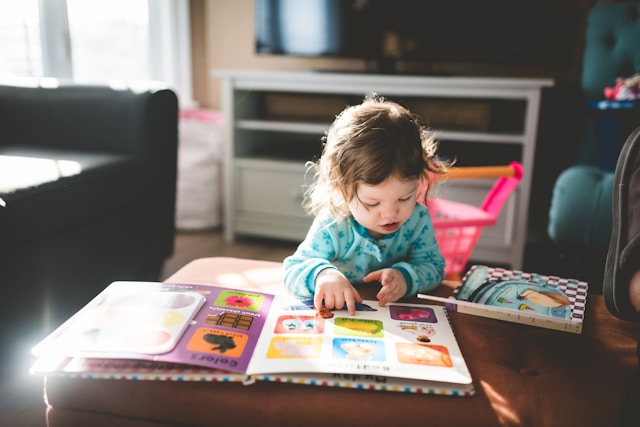
Illustrations in children’s literature are not merely decorative but vital in bringing narratives to life. When we delve into the colorful pages of children’s illustrated educational books, we uncover an engaging world that supports child development in multifaceted ways. Brimming with vibrant artwork and compelling stories, these books are more than simple tales; they are carefully crafted tools that help young readers grasp complex concepts, expand their vocabulary, and foster a lasting love for reading. They provide the first steps towards literacy and seed the imagination with ideas and worlds beyond the children’s immediate environment, making them essential tools in the early education toolkit.
As children open an illustrated book, they are not just turning pages; they’re stepping into a world where learning is an adventure, and education is woven seamlessly into the narrative. These books are excellent because they make complex topics like leadership and civics approachable and entertaining for young readers. Take, for instance, the How to Become President children’s book. Through engaging illustrations and a compelling storyline, a child can begin to comprehend the intricacies of leadership and governance. This makes the very act of learning an enjoyable and dynamic experience.
The Value of Illustrations in Learning
The impact of illustrations on learning is significant and well-documented. Children see the splashes of color and shape through illustrations and intuitively grasp abstract concepts and messages. Research from Reading Rockets emphasizes how dynamic and detailed images in children’s books can help readers understand and remember the story better. This aids in developing a child’s concentration and interpretive skills, essential for comprehending textual nuances. Illustrations often portray activities, emotions, and interactions that words might not fully capture, helping children to build empathy and social awareness through vibrant literary experiences.
Storytelling: A Gateway to Education
Storytelling has a storied history as an educational gateway. As one of the most ancient forms of communication, it has always played a substantial role in sharing knowledge and social values. When brought to life through illustrations, storytelling becomes a rich multi-sensory experience that captivates children. They become participants in the tales, forging emotional connections with characters and situations. Furthermore, illustrated books that incorporate elements of fantasy and reality help develop a child’s ability to differentiate between various narrative styles, enhancing their analytical skills.
Selecting the Right Books for Different Ages
A child’s developmental stage largely dictates the type of book that will most benefit their learning journey. Picture books with simple plots and high-contrast images are ideal for the youngest readers. As children grow and their cognitive abilities advance, books with more complex stories and decadent illustrations can provide the right level of challenge and engagement. It’s not just about reading level but about matching the book’s richness with the child’s growing ability to process information and engage with layered narratives.
Embracing Cultural Diversity through Illustrations
Children’s books are influential in exhibiting cultural narratives and fostering a sense of community and understanding. In an increasingly diverse world, it’s paramount for children to gain exposure to various cultures early on, developing a solid foundation of cultural competence. Introducing young readers to illustrations depicting different traditions, celebrations, and daily life activities around the globe encourages inclusivity and broadens their worldview. These visual portrayals can demystify the unfamiliar and promote appreciation of the rich diversity in our global society.
Long-Term Impact of Illustrated Educational Books
The long-term educational benefits of illustrated books are profound. Engaging with such literature in childhood can shape a person’s intellectual and emotional growth into adulthood. They expose children to various ideas, experiences, and cultures through reading, fostering a well-rounded worldview. A child who reads grows up to be an adult with critical and compassionate thinking skills. Findings from scholarly work available through SAGE Journals illustrate that early encounters with educational books can lead to more extraordinary academic achievement, improved communication skills, and increased cultural literacy.
Fostering Creativity in Children with Illustrated Stories
Beyond educational value, illustrated books are formidable tools for igniting creativity. They invite children to envision the limitless possibilities of their imagination, inspiring them to craft their own stories and illustrations. This engagement is crucial as it encourages children to think outside the box and develop their unique voices. As they observe and absorb different artistic styles and storylines, they learn that storytelling is both personal and boundless in its potential to carry messages and spark change.
Further Resources and Current Research
For educators and parents committed to children’s cognitive and creative development, a myriad of resources are at their disposal. Academic journals, educational websites, and literary reviews offer insights into the latest research on the value of illustrated books in child development. Dive into the wealth of knowledge that supports these educational tools and discover their immense potential in nurturing the readers and thinkers of tomorrow.